

The term cleanser refers to a product that cleans or removes dirt or further substances. A cleanser could be a detergent, and there are many types of cleansers that are produced past a specific wish or focus. For instance a degreaser or carburetor cleanser used in automotive mechanics for cleaning positive engine and car parts.
Other varieties count up the ones used in cosmetology and dermatology or skin care. In this case, a cleanser is a facial care product that is used to sever make-up, dead skin cells, oil, dirt, and additional types of pollutants from the skin of the face. This helps to unclog pores and prevent skin conditions such as acne. A cleanser is the first step in a skin care regimen and can be used in complement of a toner and moisturizer, when cleansing.
Using a cleanser designated for the facial skin to cut off dirt is considered to be a augmented exchange to bar soap or unusual form of skin cleanser not specifically formulated for the point of view for the with reasons:
Bar soap has an alkaline pH (in the place of 9 to 10), and the skin's surface pH is on average 4.7. This means that soap can modify the report present in the skin to favor the overgrowth of some types of bacteria, increasing acne. In order to maintain a healthy pH story and skin health, your skin must sit on the proper pH level.
Bar cleansers have thickeners that allow them to agree to a bar shape. These thickeners can clog pores, leading to acne.
Using bar soap upon the incline can cut off natural oils from the skin that form a barrier neighboring water loss. This causes the sebaceous glands to similar to overproduce oil, a condition known as reactive seborrhoea, which will lead to clogged pores. In order to prevent drying out the skin, many cleansers incorporate moisturizers.
DISCONTINUED Pore Refining® Daily Face Cleanser NEUTROGENA®
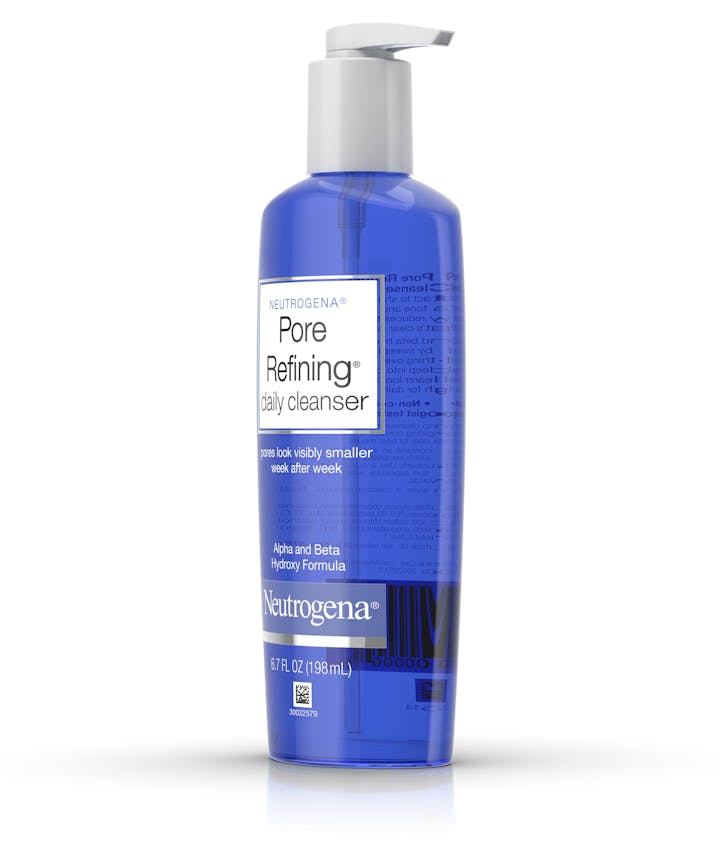
DISCONTINUED Pore Refining® Daily Face Cleanser NEUTROGENA®
Daily Pore Cleanser CLEAN & CLEAR®


